
What Is a Payer Portal (and Why Providers Still Call Anyway)
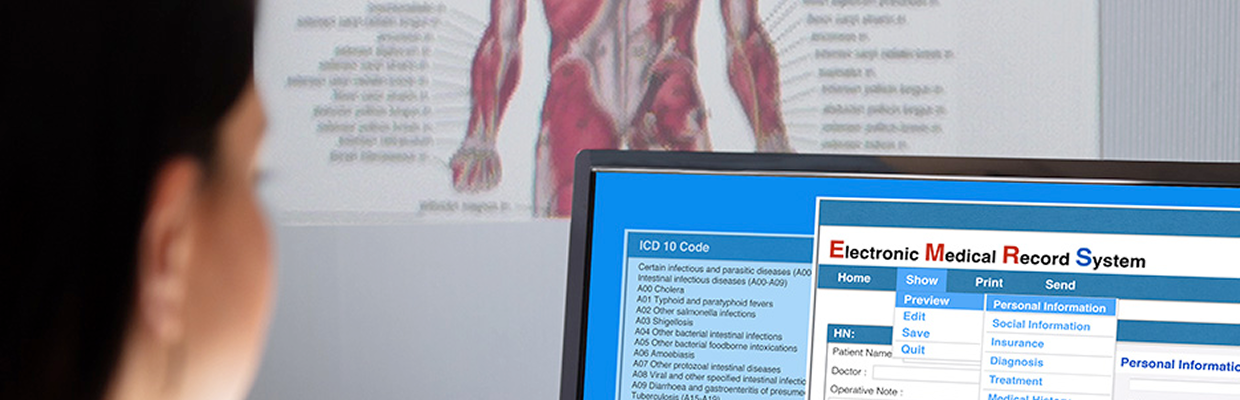
Healthcare providers interact with insurance companies every day. To support this communication, most insurers offer online tools known as payer portals.
In theory, payer portals allow providers to verify patient eligibility, check claim status, submit prior authorizations, and resolve billing questions without making phone calls.
In practice, many healthcare organizations still rely heavily on calling insurance companies — even when payer portals are available.
Understanding what payer portals are designed to do, and why providers often need to call anyway, helps explain one of the most persistent operational challenges in healthcare revenue cycle management.
What Is a Payer Portal?
A payer portal is an online platform provided by an insurance company that allows healthcare providers to access patient insurance information and manage claims electronically.
Providers use payer portals to:
- verify patient eligibility and benefits
- check claim status
- submit or track prior authorization requests
- review payment details and explanations of benefits
- update provider information
These portals serve as a digital interface between healthcare providers and insurance companies.
Most major payers maintain their own portals, which providers access through secure login credentials.
Key Takeaways
• A payer portal is an online system that allows providers to interact with insurance companies digitally.
• Providers use portals to verify coverage, track claims, and submit prior authorization requests.
• Despite portal access, healthcare organizations still make large volumes of payer phone calls.
• Portals often lack complete information, which requires providers to contact insurers directly.
Why Payer Portals Exist
Payer portals were introduced to streamline communication between providers and insurance companies.
Historically, many administrative tasks — such as verifying eligibility or checking claim status — required direct phone calls. Portals were designed to reduce that workload by allowing providers to retrieve information independently.
By offering self-service tools, insurers hoped to reduce call center volume while improving efficiency for provider organizations.
Today, nearly every major health insurer offers some form of provider portal.
What Providers Typically Do in Payer Portals
Although features vary by payer, most portals support several core revenue cycle tasks.
Eligibility and Benefits Verification
Providers often begin by checking whether a patient’s insurance coverage is active.
Eligibility checks typically confirm:
- policy status
- coverage start and end dates
- plan type
- deductible balances
This step helps prevent billing errors and ensures the provider understands the patient’s financial responsibility.
Claim Status Checks
One of the most common uses of payer portals is checking claim status.
Providers may search for a claim to determine whether it is:
- received by the payer
- under review
- paid or denied
- pending additional documentation
These updates help revenue cycle teams track reimbursement timelines.
Prior Authorization Submissions
Some portals allow providers to submit prior authorization requests directly.
This process usually requires entering procedure codes and uploading supporting clinical documentation.
Once submitted, providers can monitor authorization status through the portal.
Payment and Remittance Information
Payer portals often display payment details and electronic remittance advice (ERA).
These records show how much the payer reimbursed and what portion of the charge remains the patient’s responsibility.
Why Providers Still Call Insurance Companies
Despite the availability of payer portals, phone calls remain common across healthcare revenue cycle operations.
Several structural limitations explain why.
Portal Information Is Often Incomplete
Payer portals may not always display detailed coverage information.
For example, a portal might confirm that a patient is eligible but may not clearly show whether a specific procedure is covered.
In these cases, revenue cycle staff call the payer to confirm coverage details before treatment occurs.
Claim Status Updates Can Be Delayed
Some portals update claim status slowly or provide limited information about why a claim is pending.
If a claim remains unresolved for an extended period, providers often contact payer representatives to investigate further.
Authorization Requirements Can Be Unclear
Prior authorization rules frequently change based on the patient’s plan and the specific service being performed.
Portals may indicate that authorization is required without explaining submission requirements.
Calling the payer allows providers to clarify documentation needs and avoid claim denial.
Multiple Systems Create Fragmentation
Healthcare providers often work with dozens of insurance companies.
Each payer may maintain its own portal with different workflows, search tools, and login requirements.
Switching between systems can be inefficient, especially when staff need to gather information from several payers throughout the day.
In many cases, calling the payer becomes the fastest way to resolve a question.
How Payer Communication Is Evolving
Healthcare organizations continue to look for ways to reduce administrative workload related to payer communication.
Electronic eligibility checks and real-time benefit tools have improved access to some insurance data. However, phone calls remain necessary when information is incomplete or when claims require escalation.
Automation tools designed to interact with payer phone systems are also emerging. Platforms such as SuperDial allow revenue cycle teams to automate routine payer calls, helping staff focus on complex reimbursement issues.
The goal is not replacing payer portals entirely, but reducing the operational friction that occurs when portal information is insufficient.
Frequently Asked Questions
What is a payer portal in healthcare?
A payer portal is an online system provided by insurance companies that allows healthcare providers to verify patient coverage, check claim status, submit prior authorization requests, and review payment details.
Why do providers still call insurance companies if portals exist?
Providers often call insurance companies because payer portals may not include detailed coverage information, real-time claim updates, or clear authorization instructions.
Are payer portals required for revenue cycle management?
Payer portals are not required, but they are widely used by healthcare organizations to access insurance information and manage claims.
What tasks can providers perform in payer portals?
Providers can verify eligibility, check claim status, submit prior authorizations, review payment information, and update provider details.
Final Perspective
Payer portals were designed to make healthcare administration more efficient by allowing providers to access insurance information digitally. While these systems have improved visibility into some parts of the revenue cycle, they do not eliminate the need for direct communication with insurers.
As long as coverage rules remain complex and payer systems remain fragmented, healthcare organizations will continue to rely on both portals and phone calls to manage the revenue cycle effectively.

Harry is passionate about the power of language to make complex systems like health insurance simpler and fairer. He received his BA in English from Williams College and his MFA in Creative Writing from The University of Alabama. In his spare time, he is writing a book of short stories called You Must Relax.
Run a pilot on a real workflow.
Bring a representative batch, define the output schema, and validate ROI with your payer mix in 30 to 90 days.
